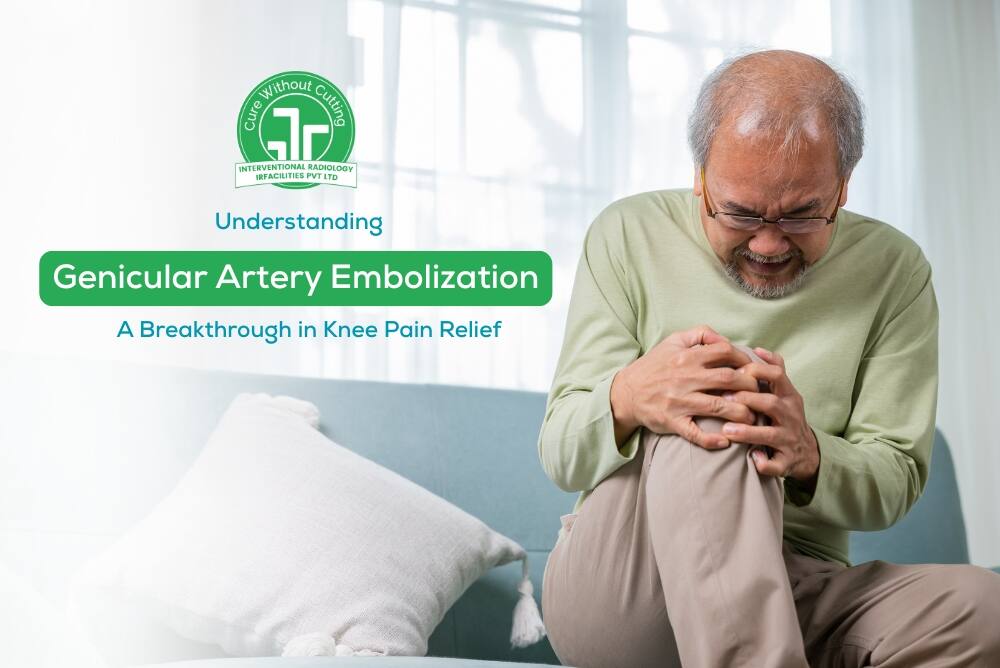
Knee pain that is persistent especially due to osteoarthritis and degenerative conditions, can hinder your daily activities and lower living quality. If you've tried medications or physical therapy not achieving results, Genicular Artery Embolization (GAE) might be the answer you've been looking for.
This minimally-invasive procedure has revolutionized the game for knee-related pain and can provide relief to those who haven't found satisfaction with conventional treatment options. We'll go over the basics of what GAE is and how it operates it, the benefits of it and the reasons why it may be the solution you've been searching for.
What is Genicular Artery Embolization?
Genicular Artery Embolization (GAE) is a minimally-invasive surgical procedure that is specifically designed to relieve knee pain due to osteoarthritis or other joint inflammations. The treatment focuses on the genicular blood vessels which carry liquid to the knee joint, and prevents them from being blocked by tiny embolic particles.
What is GAE and how does it work?
During the procedure, a catheter placed through a small cut close to the groin region. The catheter is then passed through the genicular veins that provide blood to with blood supply to the knee joint. After it is in place small embolic pieces are then injected to stop these blood vessels. By cutting off blood flow to the areas of the knee that cause pain, GAE effectively reduces inflammation and provides long-term relief from pain.
Why Genicular Artery Embolization is Gaining Popularity
With the increasing demand for non-invasive treatments Genicular Artery Embolization is now a highly desired alternative for knee pain management. Traditional methods like pain medications corticosteroid injections and knee replacement surgeries have many disadvantages, including a lengthy recovery time, expensive cost, and the risk of adverse negative effects. GAE however is an easy efficient, reliable and minimally invasive procedure that provides patients with a different option that is less risky and quicker recovery.
Benefits of GAE:
- The minimally-invasive method: It is not necessary to have an open surgical procedure or large incisions.
- Rapid recovery time: Most patients can get back to normal activities within one or two days.
- Lasting pain relief: GAE targets the source of pain and provides long-lasting relief.
- More minimal adverse effects: Since it's a non-surgical procedure, the risks and complications are very low.
Who is an Ideal Candidate for GAE?
Genicular Artery Embolization is especially useful for those who:
- You may suffer with constant knee discomfort It is usually caused by osteoarthritis, or inflammation.
- They are not the best patients for knee surgeries due to health issues or personal preferences.
- Have tried conventional therapies (such as medicine and physical therapy) but with no significant improvement.
- Choose a non-invasive option that offers quicker recovery.
What to Expect During the GAE Procedure
It is a Genicular Artery Embolization procedure is conducted by an interventional radioologist in an institution or in a clinic. Here's a brief overview of what to expect from the procedure:
- Pre-Procedure Consultation: You'll undergo imaging tests like the MRI or CT scan to pinpoint the exact areas of your knee which are causing discomfort.
- preparation: The area where the catheter is inserted can be cleaned as well as numbed by an local anesthetic. The mild sedation can also be used to help ease into.
- procedure: The radiologist will introduce a catheter via an incision of a smaller size, which is usually in the knee or groin region. With the help of advanced imaging techniques the catheter is directed to the genicular arteries which are where embolic particles are placed in the arteries to block blood flow to the painful locations.
- Post-Procedure Care: Following the procedure, you'll take a break for a few hours prior to being released. The majority of patients experience no discomfort and return to regular activities within a couple of days.
The Advantages of Choosing GAE Over Traditional Treatments
Like all medical procedures carotid artery stenting comes with some risk. But, with the advancement of technology and experienced practitioners there are no risks. The risks could include:
- Non-Surgical Treatment: One the biggest benefits of GAE over knee surgery traditional is the fact that GAE doesn't need massive incisions or long time to recover. It is strictly non-invasive and requires minimal downtime.
- Specific Pain Relief: In contrast to medications, which mask some symptoms GAE tackles the root causes of knee pain by reducing the circulation of blood to areas affected. This provides longer-term efficient pain relief.
- Less Risks: As GAE isn't a major procedure, the risks associated with the procedure are very low. There aren't any large incisions and the risk of complications is low.
- A quicker recovery: Patients usually recover much quicker after GAE as compared to knee surgery. The majority of patients return to their regular activities within just a few days, as opposed to months or weeks after conventional surgery.
Conclusion
Genicular Artery Embolization has revolutionized the methods we use to deal with knee pain by offering an alternative that is non-surgical and minimally invasive option to traditional treatment. Its ability to pinpoint the root of the inflammation and pain, GAE has become a preferred treatment for a lot of people suffering from chronic knee pain.
If you're fed up of taking medication or are looking to stay clear of the knee, GAE could be the treatment that you've been looking for. Make the first step toward an injury-free future by chatting with a doctor to determine if this revolutionary procedure is suitable for you.
Ready to Discuss?
Share your symptoms and reports with our team. We help you understand whether you need treatment now or simple lifestyle changes and follow‑up.