SAH and Vasospasm in a Nutshell
Subarachnoid haemorrhage is a condition of life that encompasses bleeding into the space between the surface of the brain and the thin tissues that cover it. Therefore, bleeding, which takes place by way of a ruptured brain aneurysm, is the most common cause-a of weak point on a blood vessel that bulges, ruptures, and causes massive bleeding instantaneously. Despite that, this entity constitutes only about 5% of all strokes with complications that are not uncommon by vasospasm.
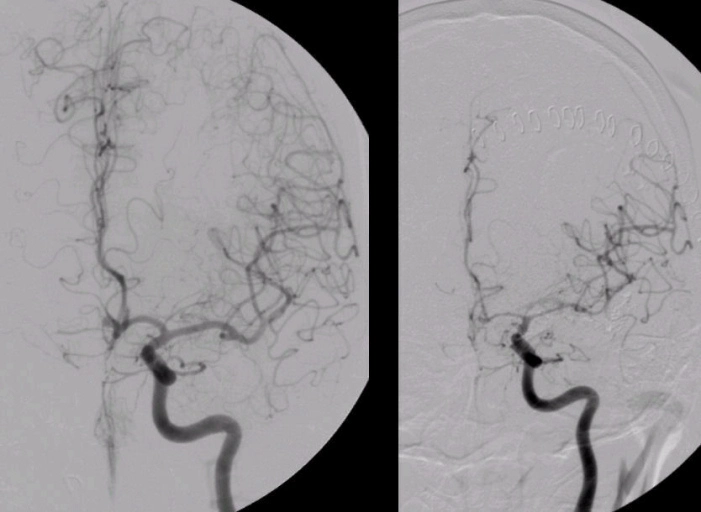
Vasospasm is defined as the sudden constriction (or narrowing) of blood vessels in the brain, thereby decreasing blood supply to the crucial areas in the brain. This could lead to delayed cerebral ischemia, an acute insult that causes cell death, permanent disability and even death if vasospasm is not medically managed in an effective and efficient timely manner. On the other hand, medical science has achieved many new advancements, and treatment is very advanced for the locus word described herein to prevent brain injury in these patients.
Conventional Approaches of SAH Vasospasm Management
For decades, there have been three principal methods of managing vasospasm in SAH patients:
- Triple-H therapy makes blood pressure high (hypertension), increases blood volume (hypervolemia), and dilutes (hemodilution). This was formerly extensively practised but has been falling out of favour with time owing to complications, such as fluid overload and heart issues.
- Calcium Channel Blockers (Nimodipine)-Nimodipine is the only medication approved by the FDA to reduce vasospasm-related secondary brain damage. It relaxes the blood vessels and improves blood flow, although it does not entirely prevent vasospasm. Therefore, it is frequently supplemented with other interventions.
- Endovascular Procedures (Angioplasty and Vasodilator Injections)-In extreme cases, minimally invasive treatments are performed to open narrow blood vessels or inject drugs (nicardipine, milrinone, or verapamil) into an artery to induce vessel relaxation. These strategies remain relevant while newer therapies change the SAH vasospasm management landscape.
Innovative Interventions to Manage SAH Vasospasm
1. Intraventricular and Intrathecal Drug Infusion
Instead of conventional intravenous delivery of drugs that might produce side effects in other organs, the physician is now delivering drugs directly into the cerebrospinal fluid (CSF) through a small tube placed inside the brain for intraventricular/intrathecal drug delivery.
- Infusion of Nicardipine or Milrinone: Continuously infused into the CSF, these vasodilators would achieve well-targeted treatment with minor side effects. Evidence exists that this significantly decreases earlier vasospasm.
- Heparin or Tissue Plasminogen Activator (tPA): These yield experience in physical dissolution of blood thrombus breakdown products, resulting in vasospasm reduction in intensity and duration.
2. Neuroprotective Statins
Although statin is primarily used in heart diseases, statins might lower brain inflammation and blood vessel modulation in thSAH. Some show statins like atorvastatin and simvastatin could reduce the potential for vasospasm, while the evidence is scant for the long-term impact.
3. Magnesium Therapy
Magnesium is a natural vasodilator that also reduces brain excitability. High-dose magnesium infusion may lower the risk of vasospasm, though evidence varies. Ongoing work is being done to determine whether magnesium should be included in routine management of SAH.
4. Remote Ischemic Conditioning (RIC)
It involves a non-invasive method that temporarily restricts blood flow in arms or legs using a blood pressure cuff. Shorter blood restriction periods were thought to trigger the body's intrinsic protective mechanisms to reduce brain damage resulting from rupture. Despite initial evidence suggesting RIC could be useful, large-scale trials are needed.
5. Endothelin Receptor Antagonists
New medications include clazosentan, an endothelin receptor antagonist. It appears promising in treating severe vasospasm and preventing strokes in SAH patients. It is now evaluated for efficacy in clinical trials and will soon become a major player in vasospasm management.
6. Improved Endovascular Procedures
Doctors are now refining the existing endovascular treatments offered to the patients depending on the severity of the scenario for improvement in the treatment outcome.
- Balloon Angioplasty: A small balloon is inflated inside the narrowed artery to re-open it, restoring blood flow. This technique is highly effective but is usually reserved for patients with the most severe vasospasm.
- Drug-Coated Balloons and Stents: Research is currently investigating vasodilator drug-coated balloons that release drugs directly into blood vessels, preventing re-narrowing after angioplasty.
The nascent vasodilators include fasudil(a Rho-kinase inhibitor), under experimentation as potentially more efficacious vasodilators with far fewer side effects than conventional drugs.
The Future of SAH Vasospasm Management
SAH vasospasm management is undergoing rapid changes and personalised treatment arrays are being established as the norm. Cutting-edge assessments, such as perfusion CT scans and transcranial Doppler ultrasound, enable physicians to detect the occurrence of vasospasm early so that treatment can be instituted before irreversible cerebral damage occurs.
The study of gene therapy and stem cell therapy, among others, provides much hope for further advances in neuroprotective strategies against brain injury after SAH. For now, that hope is yet to be in the experimental stage.
Conclusion
SAH vasospasm remains one of the significant impediments to acute stroke care, and newer treatments are turning the tide. From targeted drug delivery to statin therapy, endovascular perfusion therapies refine themselves with advanced techniques and experimental methods like RIC; clinically available options aim to enhance blood flow, protect brain function, and save lives repeatedly.
An optimistic sight awaits the future of SAH vasospasm management with newer pathways unfolding in research and technology. These creative technologies are giving hope to patients that surviving the rupture of a brain aneurysm means not just surviving the initial bleed itself but also avoiding longer-term problems and enjoying a whole, healthy life.
Ready to Discuss?
Share your symptoms and reports with our team. We help you understand whether you need treatment now or simple lifestyle changes and follow‑up.