Varicocele is a disease characterized by the abnormal dilation and tortuousness of the veins contained within the scrotum (the pouch that holds the testis). Varicoceles can manifest with a spectrum of symptoms: some men can have pain or swelling, while some may lose their fertility due to varicoceles. Conventional surgery was the only treatment method for many years, but with advances in the medical field, minimally invasive procedures are gaining more acceptance as a treatment for varicocele, and this is now changing the future of treatment for this condition.
What Is a Minimally Invasive Intervention?
Minimally invasive means treating a health problem without large surgical opening. Instead of doing open surgery, doctors use small instruments along with imaging techniques such as X-ray or ultrasound to guide their instruments internally from the outside. This has lesser pain and complications and requires speedy recovery after treatment.
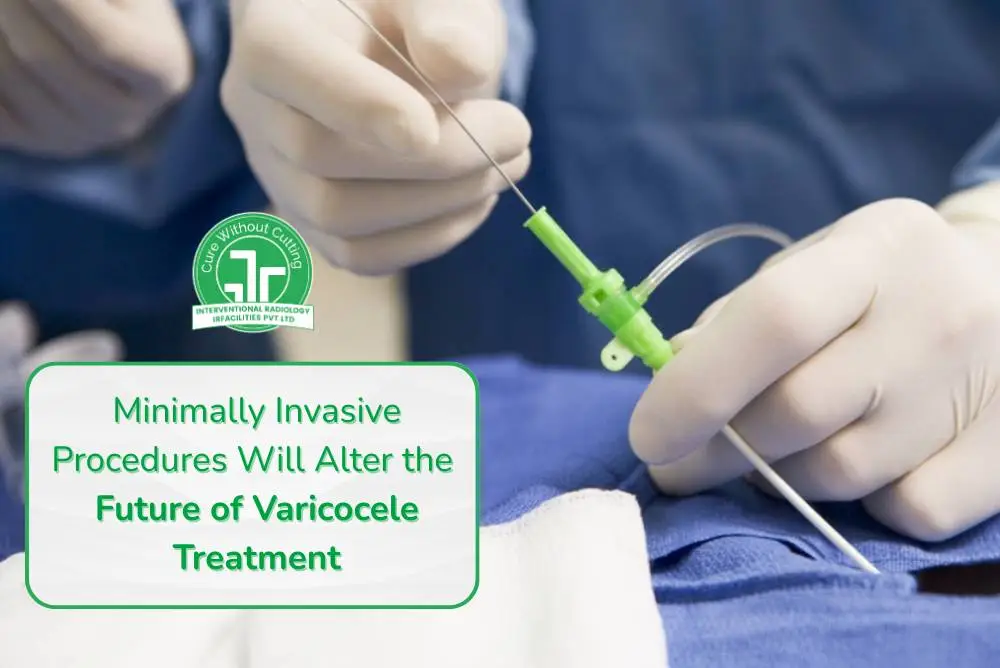
Endovenous embolization would be among the best minimally invasive options for treating varicoceles. It is done by an interventional radiologist trained in the endovascular techniques who inserts a small tube called a catheter into the vein through a small pinhole in the groin or neck. This tube is directed into the diseased vein within the scrotum, where the interventional radiologist uses special materials such as tiny coils or medical glue to block the abnormal vein. The blood is redirected through normal veins to relieve pressure.
Importance of This
There are various ways on the lines of these minimally invasive methods of treatment that will change the face of varicocele treatment:
- Less Pain, No Big Cuts
Almost an open surgery, the classic surgical management of varicoceles involves cutting the skin, dissecting, and tying off affected veins. There is some discomfort associated with it, and often such stitches have to be applied. In embolization, there is no cutting and there is no need for stitches: access is through a pinhole, and patients do not require heavy painkillers post-procedure. - Fast Recovery
Surgery requires a few days or even weeks of recovery. Most men take time off work or do not wish to pertain to physical efforts. Through conventional embolization and other forms of minimally invasive procedures, the patient may go home the same day and be able to resume normal activities after perhaps two days. - Less Risk of Complications
Bleeding, infection, or damage to the surrounding tissues may arise afterward. These are some risks involving a conventional surgery. In minimally invasive surgery, real-time imaging is used, allowing the doctor to manipulate adjacent structures without damaging them, therefore there is a lesser risk of infection or other complications. - Good for Fertility
Many men opt to treat varicocele because of its association with infertility as a causative factor. It is observed through studies that embolization improves sperm quality just like the surgery does without compromising the testicular artery-and sometimes, even better. - It is usually a difficult affair treating a recurrent varicocele; however, if required, a safe repeat embolization poses no risk.
- Interventional radiologists perform these procedures in real time under the guidance of imaging systems.
Emergence of the Minimally Invasive Techniques
The varicocele embolization is now being offered by more hospitals and clinics for its effectiveness, safety, and patient-friendly advantages. As the awareness grows, the options of surrendering to the conventional surgery are diminishing. Young men, particularly those concerned about fertility down the line, now have an option of treatment that would not disrupt their lives, work, or plans.
To summarize, varicocele embolization is a procedure of minimally invasive techniques that is not an alternative. It is rapidly setting the standards of care. Varicocele embolization offers the same advantages as traditional surgery while lacking the downgrades. As advancements in technology and mastery evolve, the future of varicocele treatment will be even brighter, safer, and more user-friendly amongst its patrons.
Ready to Discuss?
Share your symptoms and reports with our team. We help you understand whether you need treatment now or simple lifestyle changes and follow‑up.